

- All
- Agricultura
- agrotech (antiguo)
- Agrotech (antiguo)
- Agua
- Aigua
- Alimentación, agricultura y medio marino
- Audiovisual
- Automoción
- Big Data
- Biomateriales
- blockchain
- Ciberseguridad
- Economía Circular
- Enertronic
- Enertrònica
- Food, agriculture and the marine environment
- Green Car
- IAQ
- ict
- Indoor air quality
- Industria 4.0
- Industry
- Inteligencia Artificial
- Internet of Things
- Materiales de frontera
- Materiales de frontera
- microxips
- Mobile Technologies
- Open innovation
- Óptica y fotónica
- Qualitat de l’aire interior (IAQ)
- Realidad Virtual y Realidad Aumentada
- Robótica y Visión
- Sector Salut
- Smart City
- Smart Grids
- Technology
- Tecnologías de Agrotech
- Tecnologías de Infraestructuras
- Tecnologías de la Energía
- Tecnologías de la Producción
- Tecnologías de la Química
- Tecnologías de la Química
- Tecnologías de la Salud
- Tecnologías de la Transformación Digital
- Tecnologías de Logística y Movilidad
- Tecnologías de los Materiales
- Tecnologías de Urbanismo y Sostenibilidad
- Tecnologías del Medio Ambiente
- Tecnologías Químicas y de la Alimentación
- UPCxels
- Water
- Wood
- X
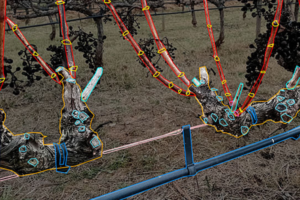
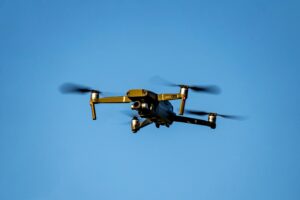
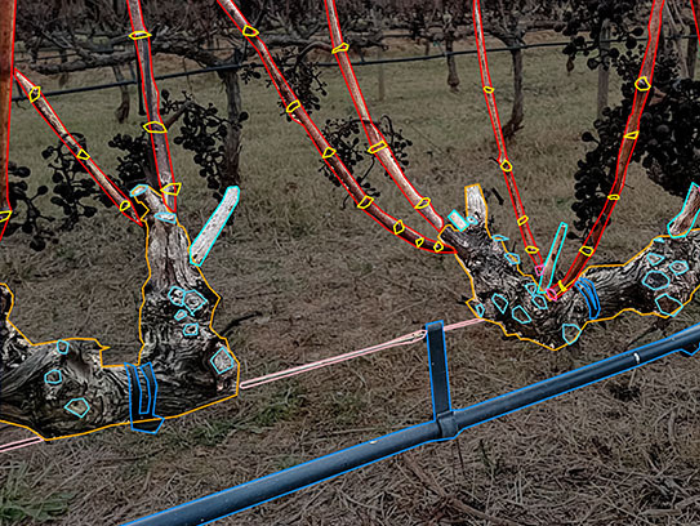
- The Center for Industrial Equipment Design (CDEI-UPC) at the Universitat Politècnica de Catalunya - BarcelonaTech (UPC) is participating in a cross-border project aimed at promoting the use of advanced digital technologies in viticulture in regions on both sides of the Pyrenees. The initiative seeks to improve specialist training, technical advice and decision-making in vineyard management.
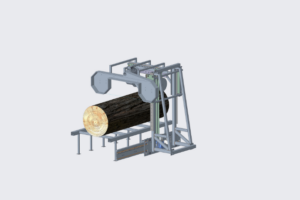
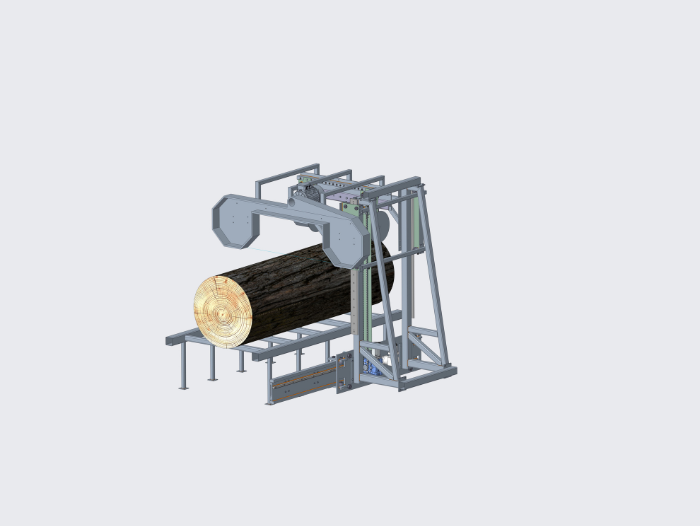
- The Centre for Industrial Equipment Design (CDEI) at the Universitat Politècnica de Catalunya - BarcelonaTech (UPC), together with the IRI, Institut de Robòtica i Informàtica Industrial (CSIC-UPC), is participating in the development of a pre-commercial prototype of an automatic portable sawmill that integrates computer vision, artificial intelligence and computer numerical control to improve productivity, efficiency and safety in local wood processing for the company Envall Coop. S.L.
- The Advanced Network Architectures Lab (CRAAX) at the Universitat Politècnica de Catalunya - BarcelonaTech (UPC) is participating in the ACCOMPLISH project, which is developing an innovative AI-based compliance and certification framework to simplify, integrate and automate compliance in operations, assets, solutions and organisational processes related to data and artificial intelligence.
- Researchers at the Universitat Politècnica de Catalunya - BarcelonaTech (UPC) have developed a unique infrastructure serving the UPC, research centres and companies for the experimentation and validation of technologies and services using next-generation networks. This platform enables the validation of 5G solutions in real-world scenarios and leads research towards 6G, facilitating technology transfer to the market.
- The AgroTech research group at the Universitat Politècnica de Catalunya – BarcelonaTech (UPC), together with its spin-off Ugiat Technologies, have driven DoblAI, an AI platform that integrates transcription, translation, subtitling and video dubbing into a single workflow. The solution, which uses deep learning technology and cloned or default voice models, is specifically designed for the journalism and communications sector.
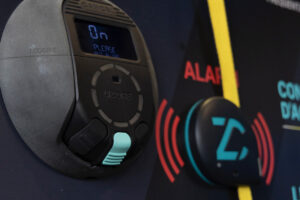
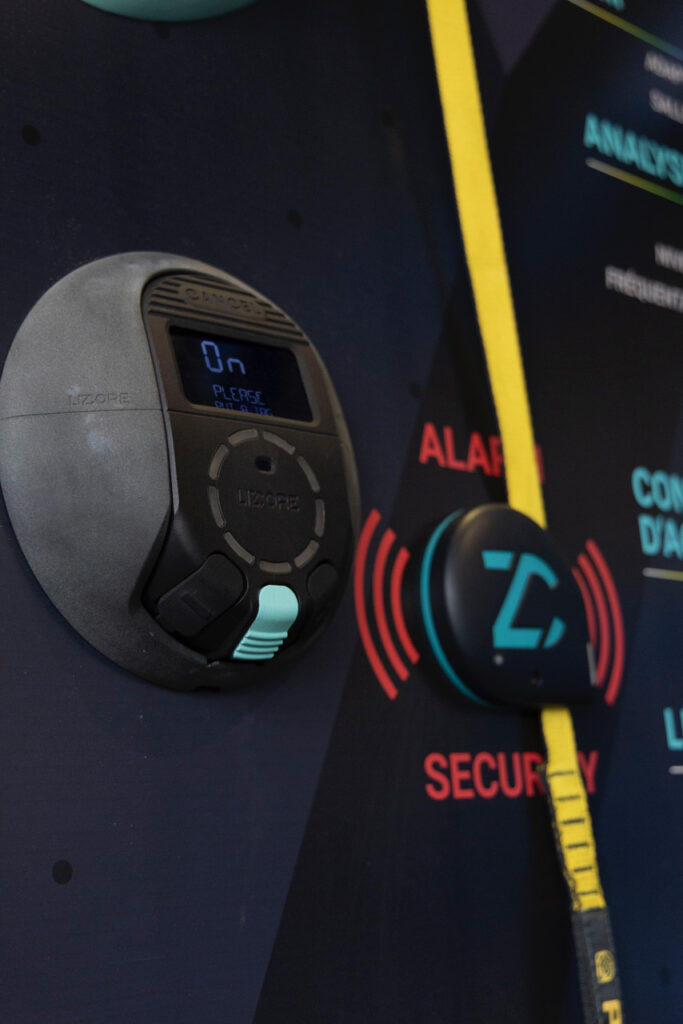
- The inLab FIB at the UPC has collaborated with Lizcore® for the development of a proof of concept based on artificial intelligence to improve safety in climbing with autobelay devices. The system allows the automatic and accurate detection of risk situations before starting a route.
- As part of the DigiPatICS project, eight ICS hospitals have optimised breast cancer diagnosis thanks to artificial intelligence (AI) algorithms that automate the analysis of tissue samples, enabling earlier and more accurate detection of the disease. The results and diagnoses are shared in real time across the eight centres, thereby forming the largest pathology network in Europe.
- The BIOsignal Analysis for Rehabilitation and Therapy (BIOART) research group at the Universitat Politècnica de Catalunya – BarcelonaTech (UPC) coordinates the Proactive Response and Efficient Planning with AI for Resilient Emergencies in hospitals (PREPARE) project, which aims to optimise hospital preparedness during emergencies through dynamic capacity and risk assessment using artificial intelligence (AI).
- A research team from the inLab FIB at the Universitat Politècnica de Catalunya - BarcelonaTech (UPC), together with the Asociación de Personas con Movilidad Reducida (AsoPMR), has taken part in the Spot4Dis project to enhance the mobility and autonomy of people with reduced mobility.
- The company Friselva S.A., Corporació Alimentària Guissona (bonÀrea), together with the Food Service Cluster and inLab FIB at the Universitat Politècnica de Catalunya - BarcelonaTech (UPC), are participating in the Hydroless project, which aims to optimise water consumption in meat production plants. The project includes an innovative solution to monitor and optimise water use at bonÀrea’s plant in Guissona, as well as the design and development of a digital twin of Friselva’s facilities in Riudellots de la Selva.
- A research team led by the Mobile Robotics and Artificial Intelligence Group (RAIG) of the Institute of Robotics and Industrial Informatics (IRI, CSIC-UPC) at the Universitat Politècnica de Catalunya - BarcelonaTech (UPC) is taking part in the European project TRIFFID (auTonomous Robotic aId For increasing FIrst responDers efficiency). The aim is to develop a platform to support rescue operations in emergency situations. The initiative combines advanced robotics, artificial intelligence and immersive interfaces to enhance safety and accelerate response in hazardous environments.
- The organisation CARBOPESCA, together with the research group Development Center of Remote Acquisition and Information Processing Systems (SARTI) and the Efficient and Robust Integrated Circuits and Systems (EFRICS) group, at the UPC, are leading the iPROPEZESPADA project, an initiative aimed at optimising the capture and management of swordfish fishing using artificial intelligence.
- The digitalisation of human senses has advanced significantly in areas such as vision, hearing and touch. However, smell and taste continue to present a technological challenge, as their analysis relies on the identification of volatile or dissolved chemical compounds. While there are various sensors on the market capable of detecting specific gases and substances, they often lack the versatility required for comprehensive recognition of complex odours, showing limitations in adapting to different combinations of compounds.
- RootBot aims to develop and demonstrate an autonomous robotic electromagnetic detection system equipped with ground-penetrating radar (GPR) and advanced navigation technologies to map the root systems of fruit trees and soil moisture. This project seeks to optimize agricultural resource management, particularly water, and contribute to more sustainable farming through the use of innovative technological tools.
- Energy consumption in training and inference of artificial intelligence (AI) models, such as large language models (LLMs) like GPT-4, has become a critical challenge due to its environmental impact and the costs associated with high-performance computing (HPC). The energy required to train these models and interact with them increases significantly as the models grow in size and complexity.
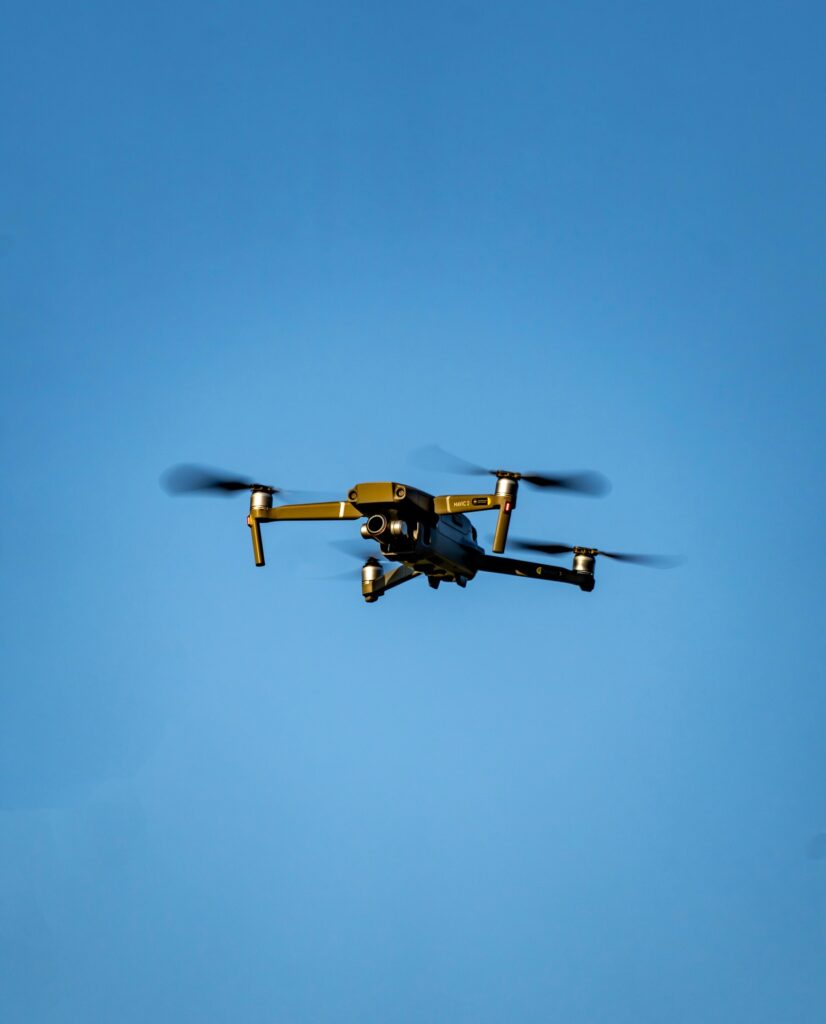
- The adoption of 6G applications will have a positive impact on a broad range of innovations set to transform our society in the future. These include autonomous vehicles that reduce accidents, more efficient emergency services, and connected drones that expedite the delivery of medical supplies between healthcare centres, to name a few examples. These and other emerging solutions continue to evolve, driven by the constant technological advancements in communications. The implementation of these new technologies requires a process that inevitably involves testing in environments as true to real-life conditions as possible.