

- All
- Agricultura
- agrotech (antiguo)
- Agrotech (antiguo)
- Agua
- Aigua
- Alimentación, agricultura y medio marino
- Audiovisual
- Automoción
- Big Data
- Biomateriales
- blockchain
- Ciberseguridad
- Economía Circular
- Enertronic
- Enertrònica
- Food, agriculture and the marine environment
- Green Car
- IAQ
- ict
- Indoor air quality
- Industria 4.0
- Industry
- Inteligencia Artificial
- Internet of Things
- Materiales de frontera
- Materiales de frontera
- microxips
- Mobile Technologies
- Open innovation
- Óptica y fotónica
- Qualitat de l’aire interior (IAQ)
- Realidad Virtual y Realidad Aumentada
- Robótica y Visión
- Sector Salut
- Smart City
- Smart Grids
- Technology
- Tecnologías de Agrotech
- Tecnologías de Infraestructuras
- Tecnologías de la Energía
- Tecnologías de la Producción
- Tecnologías de la Química
- Tecnologías de la Química
- Tecnologías de la Salud
- Tecnologías de la Transformación Digital
- Tecnologías de Logística y Movilidad
- Tecnologías de los Materiales
- Tecnologías de Urbanismo y Sostenibilidad
- Tecnologías del Medio Ambiente
- Tecnologías Químicas y de la Alimentación
- UPCxels
- Water
- Wood
- X
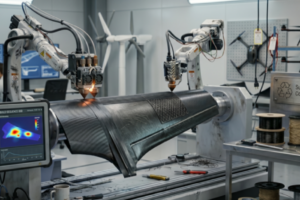
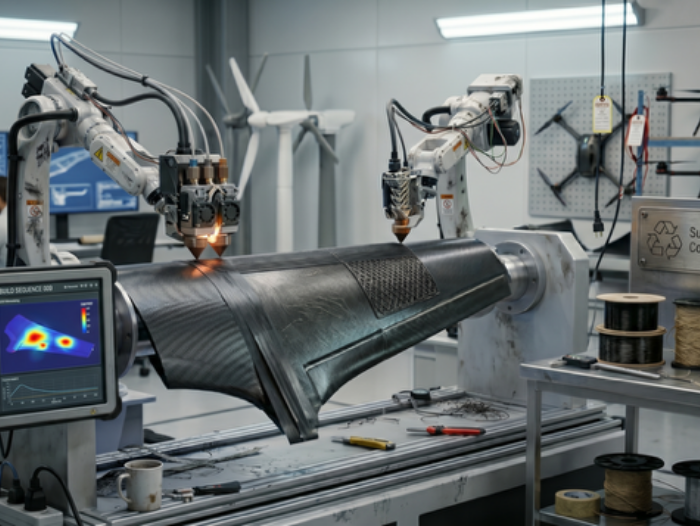
- The Control, Data and Artificial Intelligence (CoDAlab) research group at the Universitat Politècnica de Catalunya - BarcelonaTech (UPC) is taking part in the ATHENS project, which is developing recyclable thermoplastic composite materials with advanced real-time monitoring systems to improve the manufacture, safety and service life of lightweight structures.
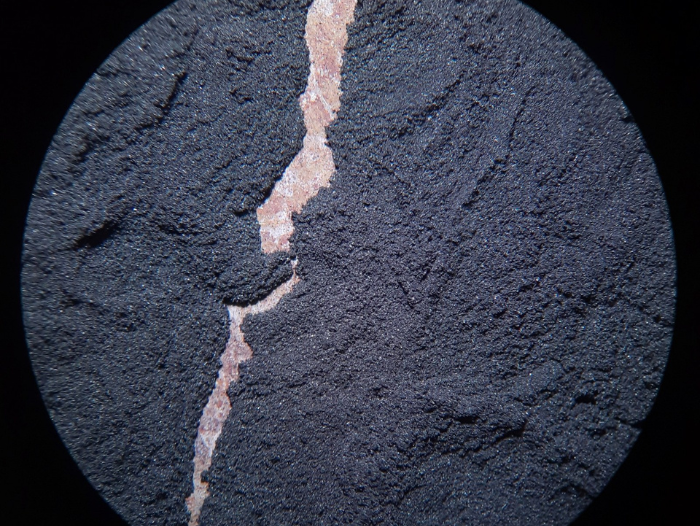
- The Research Group in Smart and Sustainable Resources and Industries (RIIS) at the Universitat Politècnica de Catalunya - BarcelonaTech (UPC) is developing the ZeroCarbonPave project, which aims to assess the feasibility of incorporating biochar as filler and/or as the fine fraction of granular material in bituminous mixtures, with the objective of reducing the carbon footprint associated with the manufacture and laying of road pavements.
- The Center for Industrial Diagnostics (CDIF) and the Energy Processing and Integrated Circuits (EPIC) group at the Universitat Politècnica de Catalunya - BarcelonaTech (UPC) are participating in FLEXHYBAT (Design and control of flexible hydropower plants by hybridisation with second life batteries), a project exploring the hybridisation of hydropower plants with second-life batteries to improve their flexibility, efficiency and durability.
- The Group of Construction Research and Innovation (GRIC) at the Universitat Politècnica de Catalunya - BarcelonaTech (UPC) leads the RESILIENT project, which develops advanced models and methodologies to assess climate-resilience strategies in buildings and optimise decision-making.
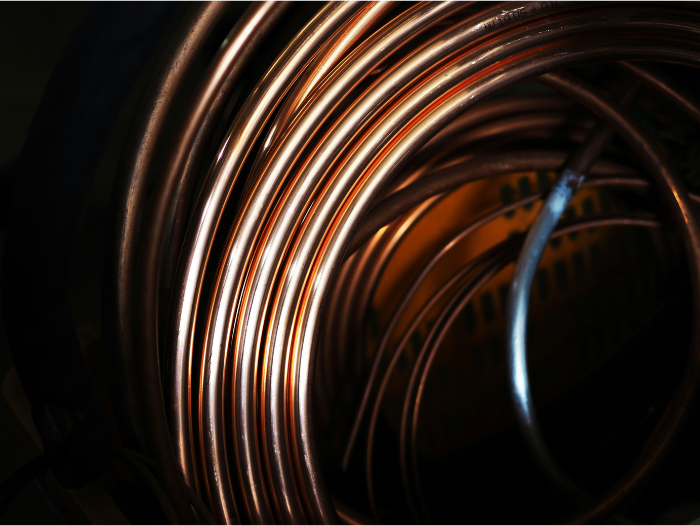
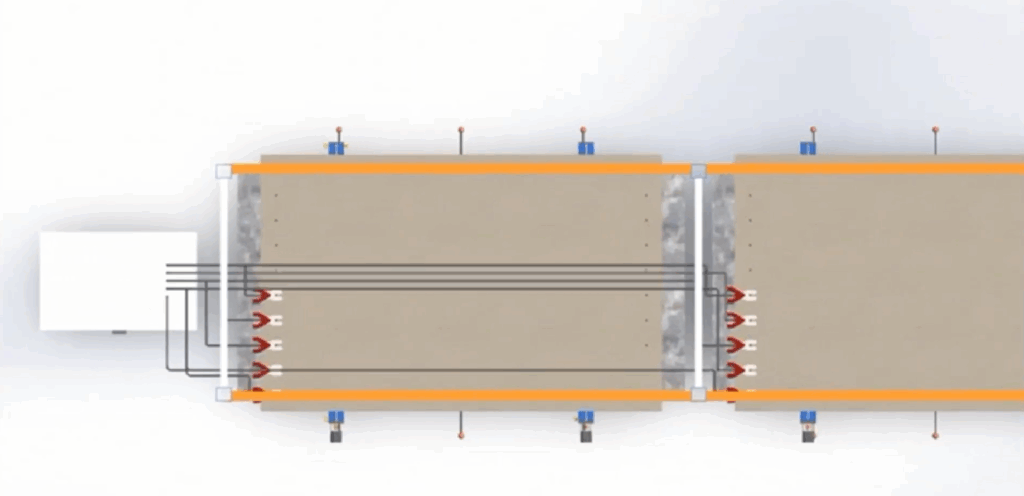
- A research team from the Sustainable Construction Engineering Group (ECS) at the Universitat Politècnica de Catalunya - BarcelonaTech (UPC), together with the Catalan company La Farga, a manufacturer of copper products and semi-finished copper products and a leader in copper recycling, has taken part in the development of a solution to use slag from the copper refining process as new materials and to optimise the use of natural resources in industry. Through this project, La Farga aims to valorise this slag for high added-value industrial applications, such as conductive cements used to manufacture road pavements or industrial sensing products.
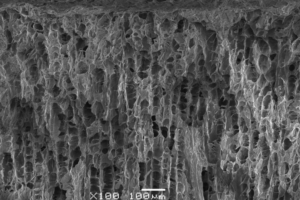
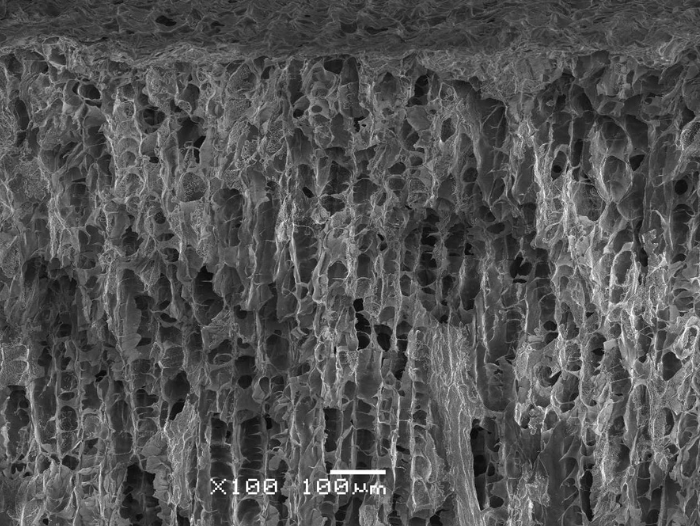
- The e-PLASCOM research group at the Universitat Politècnica de Catalunya - BarcelonaTech (UPC) is developing a solution based on biodegradable sodium alginate and gelatin aerogels for the purification of non-potable water and desalination using solar energy.
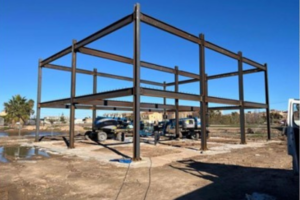
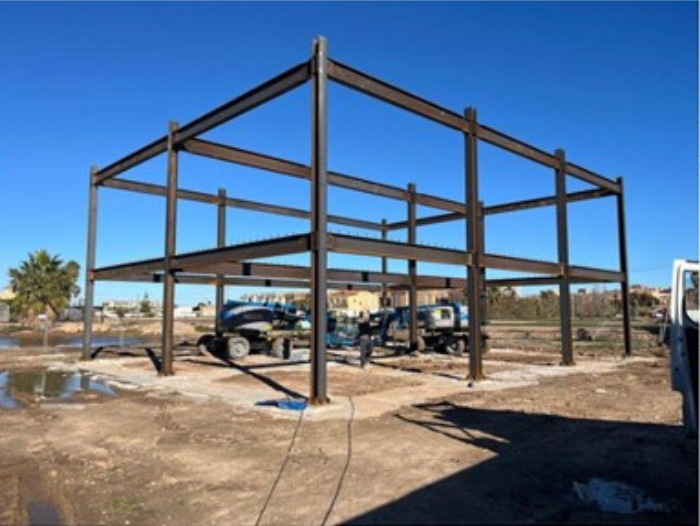
- The research groups Structural and Materials Technology (ATEM) and the Construction Engineering (EC) at the Universitat Politècnica de Catalunya - BarcelonaTech (UPC) are working on the RE-STEEL project, which aims to develop an efficient methodology for assessing the rehabilitation of existing steel structures.
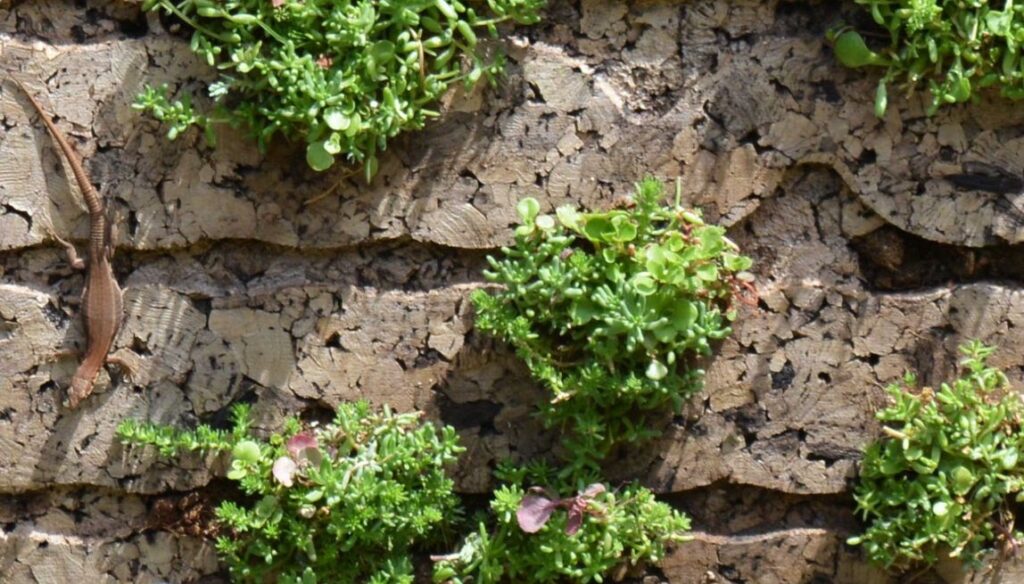
SATE-VEG: A system for energy renovation of buildings that helps reduce the urban heat island effect
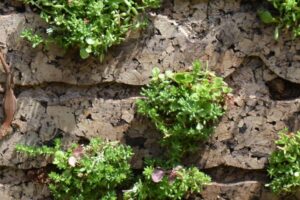
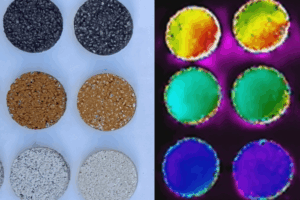
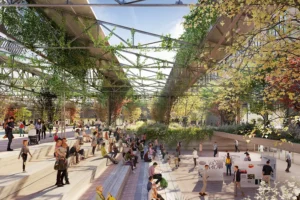
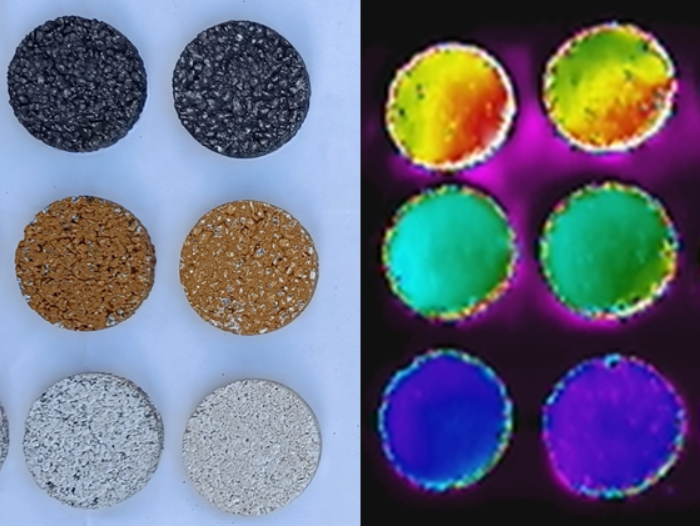
Researchers from the Architecture, Energy and Environment (AiEM) group at the Universitat Politècnica de Catalunya - BarcelonaTech (UPC) have developed SATE-VEG, an external thermal insulation system with a vegetal coating that offers seasonally adaptive thermal behaviour, enhances urban biodiversity and promotes positive health effects. The system is made from organic materials, requires low maintenance and consumes minimal water.- The Construction Materials and Roads (MATCAR) research group at the Universitat Politècnica de Catalunya - BarcelonaTech (UPC) has carried out the RELUM project with the aim of researching and developing innovative solutions to help prevent global warming, through the design of sustainable pavements with reflective and photoluminescent properties, in collaboration with the company Sorigué.
- The company Trace ID and the group Twin Investors, in collaboration with the Textile Technology research group (TECTEX), which is part of the Institute of Textile Research and Industrial Cooperation of Terrassa (INTEXTER) at the Universitat Politècnica de Catalunya - BarcelonaTech (UPC), are developing electronic devices to identify, monitor, and study the traceability of the products in which they are embedded.
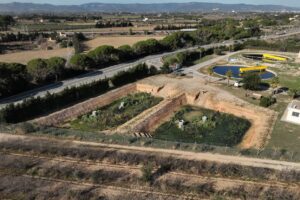
- The Hydrogeology Group (GHS) at the Universitat Politècnica de Catalunya - BarcelonaTech (UPC) is participating in the LIFE REMAR project to develop an innovative and sustainable solution for the reuse of treated wastewater through infiltration, with the aim of increasing the availability of freshwater resources and improving the state of ecosystems.
- Researchers from the Concrete Sustainability and Smart Structures (C3S) research group, part of the Construction Engineering (EC) group at the Universitat Politècnica de Catalunya - BarcelonaTech (UPC), are leading the CIRC-BOOST project, which aims to promote sustainability, industrial competitiveness and greater resource efficiency in the European construction sector.
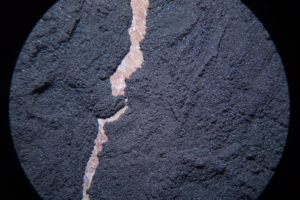
- The Structural and Materials Technology (ATEM) research group at the Universitat Politècnica de Catalunya - BarcelonaTech (UPC) is participating, in collaboration with the Universitat de les Illes Balears (UIB), in the ReINfoRCed project, which aims to promote the extension of the service life of reinforced concrete structures affected by corrosion.
- The UPCxels project, led by the Intelligent Data sciEnce and Artificial Intelligence Research Group (IDEAI-UPC) at the Universitat Politècnica de Catalunya - BarcelonaTech (UPC), aims to create an open, cross-sectoral platform for a shared data space across multiple fields, with a special focus on the agri-food sector.
- A multidisciplinary research team led by the Intelligent Data sciEnce and Artificial Intelligence Research Group (IDEAI-UPC) at the Universitat Politècnica de Catalunya - BarcelonaTech (UPC) is participating in the Agrixels project, which aims to create an agricultural information standard—essentially, a data ecosystem—designed for AI-based services in the agri-food sector.
- The Food Safety and Control Research Center (CRESCA) at the Universitat Politècnica de Catalunya – BarcelonaTech (UPC), in collaboration with the Aquamaris Foundation, has developed a system that allows irrigation using seawater without the need for filtration, desalination, or chemical treatment, both in agriculture and gardening. The new system enables the adaptation of ornamental garden plants and leafy vegetable crops, eliminating the need for fresh water entirely.